If your topsoil has large clumps, it has a high clay content and was not screened before it was delivered. Breaking up the clumps of clay will be difficult, but eventually you will be able to smooth everything out. Rake the clumps onto a tarp and mash them with your rake. Gypsum can help break up the clumps but the best way to improve the soil over the long term is to add lots of organic matter.

Tight, clay soils are loosened by mixing in organic amendments, or organic materials. The amendments hold the clay particles apart, creating more space for air, which is critical to root growth. Add gypsum and then some compost or aged manure and rototil or dig it in. Plant your perennials and add another 2-3 inches of compost over the bare soil, digging it in at the end of the gardening season. Add fresh mulch each year and dig it into the soil.

Eventually you will have garden loam instead of clumps of clay. The mention of clay soil to many gardeners will probably make them shudder. I had a gardener once tell me that clay was meant for making pottery, not for growing plants!
Clay soils are mineral soils with very small particles. These are generally low in organic matter and have very small pore spaces, making it difficult for plant roots to penetrate and gather needed air and water. That's why too much clay in the soil can be a detriment to plant growth.

Plant roots need a balance of air pockets and available water, but in heavy clay soils, air pockets are very small and scarce. For a home gardener with heavy clay soil creating a garden or planting in the landscape is a task. It is essential to work up and fortify the soil in all beds and planting areas. Clay soil is easiest to amend when it has a light amount of moisture and is easily dug.

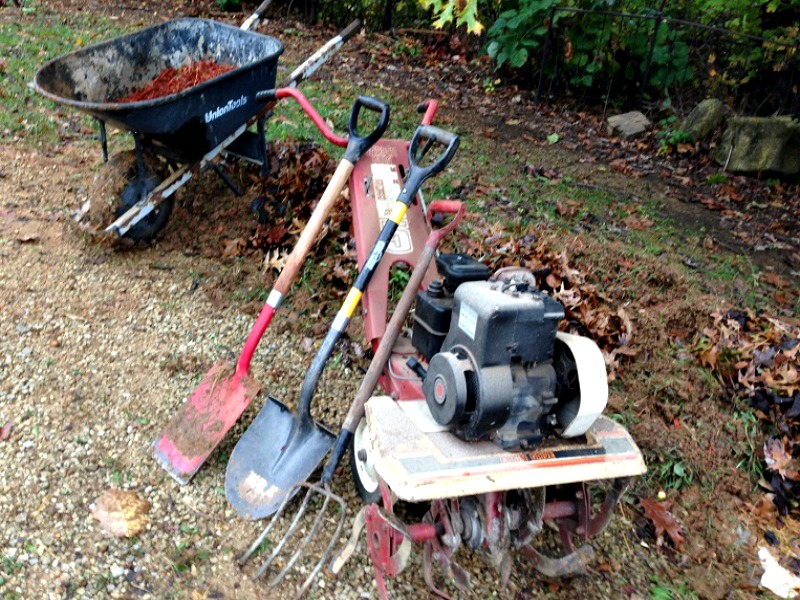
Work up the soil with either a tiller or use a spading fork to manually break it up as deep as you can–a depth of 1 to 2 feet is good, depending on what you are planting. As the soil is turned over and loosened, it is gaining air pockets. Expose the broken up clay to the sun and air for a while, then break it up further. Once the clay is as light as can be, it's time to add lots of organic matter.

How To Break Up Hard Dirt When wet it act's like bubble gum sticking to feet and tires until bulk weight literally "stop's you in your tracks". When dry,it shrinks leaving cracks 1"-3" wide and a few feet deep and become's hard as sorry concrete. The best way to pulverize clumps is to exploit the shrink-expand-shrink cycle. Use lawn sprinklers or alow rain to wet clumps and clods then wait until it dry's and cracks,at which point clumps will easily fall apart when desturbed. Use what you have to begin placing soil where needed . Why box blade work's well is that clumps can be rolled which help's to break them up.
You will now have some well pulverized soil along with smaller clumps and clods which can be reduced to additional soil and even smaller clumps by repeating a wet-dry cycle. Attempt farthar busting with tiller Sort everything larger than basketballs into piles and try tilling the rest. Move usable dirt to fill selected area that can be overseeded right away and continue processing clumps. Coming up on the wet season,it might become neccessary to tarp clump piles during rain to help them dry. If left til spring,the piles will break down but I suggest working it if it become's dry enough. Just keep in mind what I said about bubble gum when wet and don't mess with it.

I suggest improving tilth by mixing compost,manure and wood chips as dirt is worked which will make final tilling much easier plus widen time window for moisture ussues. The addition of large amounts of organic matter will transform clay soil. Both Black Gold Peat Moss and Black Gold Garden Compost Blend will do wonders. Add these products to your gardens at a ratio of one part organic matter to two parts soil for lasting fertility.
Be sure that they are well incorporated to help maintain air pockets and soil loft. These products will 'open' heavy clay soils, improve drainage, and allow water to move more freely. Once everything is incorporated, apply fertilizer as needed, and get planting. Many gardeners today, including myself, are doing no-till gardening. Instead of tilling the soil they are keeping a permanent organic mulch on top of their garden beds. One advantage of tilling is that the original organic matter is retained in the garden as the sod is turned under.
You can add organic matter by forking or shoveling compost, manure, grass clippings, or leaf mold onto the sod before tilling. Breaking up sod with a tiller requires some muscle, but most of the work is done by the tiller's engine. Small tillers can usually handle previously worked gardens, but breaking up well-established sod requires a heavier, rear-tine unit and may require more than one pass. After tilling the bed, remove and shake the soil from any remaining clumps of grass. In a garden bed, the best way to introduce organic material without digging , is to apply layers on top and let nature do the work for you. Simply pile your garden bed high with organic material – it can be wood chips, shredded paper, straw, chopped leaves, lawn clippings – whatever you can lay your hands on.

It might be slow, but the wait will give you time to get to know your land before you plant. By aerating your clay soil and adding an amendment, you can break it down fast and encourage new growth. Wait until the ground's completely wet or dry, since it'll be harder to work with soil that's partially damp.

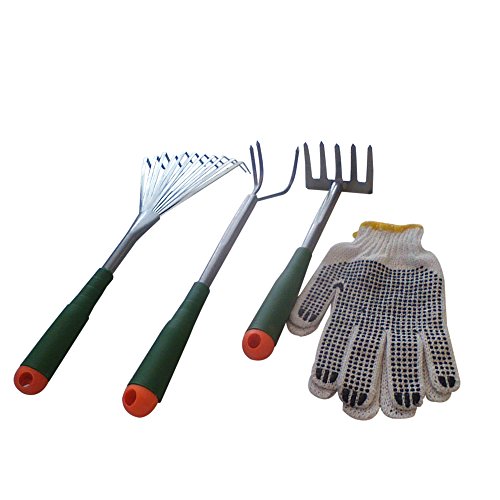
Then, turn your soil by digging up small amounts where you want to put plants to aerate it. Once you've turned the soil, mix in an amendment, like compost, biochar, manure, or a commercial soil conditioner, to add some extra nutrients. If your plants still struggle to grow, lay an extra layer of topsoil over the clay. The Garden Weasel's multi-use transplanter features a unique multi-blade design lets you slice through roots, remove weeds and break up dirt clumps.
This is the only hand tool you need – dependable, versatile, and easy to use, the multi-use transplanter is ready for all your garden needs. It saves clutter in the shed and money in your wallet. While working with clay is tough on gardeners, the biggest issue for plants is the slow drainage.

Improving its structure improves drainage; planting in raised beds made with good soil also helps. With careful management and generous additions of organic material, clay soil will improve over time — lots of time. The soil will become more workable, but expect to spend a few years amending clay before you notice an appreciable difference. Preparing the soil for new sod is essential before sodding. Proper soil preparation will reduce the water use of a lawn by 20% to 30%.

Soil preparation is the process of roto-tilling compost into the soil. By adding compost to the soil, clay soils drain better, and sandy soils retain more water. Tilling and adding organics also introduces air to the root zone and feeds the microorganism in the soil. Compaction is most likely to occur with heavier soils like clay and loam, but when heavy equipment is used, sandy soils can become compacted. These are soil particles that are packed closely together.

The problem may be compounded by events that have happened to the soil over the course of years. The pore spaces are reduced to the point that air and water cannot move freely and plant roots cannot grow easily into the surrounding soil. The soil could remain overly wet longer than is healthy for the plants growing there.

You will need to work at it over the years by repeating the process though. Baked clay is almost impossible to break up, rotivate or dig, it's easier to spread the organic matter and grit and wait until the worms have done some of the work for you. After selecting and purchasing the seed, it's time to prepare the soil for the planting process.

This is a very important step in knowing how to plant grass seed successfully. The tender roots of young grass plants will not grow well in compacted soils so it's essential that this step be done properly. Here are instructions for prepping the ground to overseed bare spots in an established lawn and instructions on how to prepare for planting grass seed in a large bare area.

If you have an area of grass growing on clay soil it's wise to spread organic material, ideally compost, on the surface. This will do much to feed the shallow roots of the grass. It will also encourage worms to move in which will improve the structure of the soil. This may only happen in the top few inches of soil but it will help the grass to thrive.
Most other grasses will grow in clay soil but none will perform well when comparing with other types of more open and free-draining soils. The thing with grass is that most varieties can survive with shallow roots and they aren't troubled too much by the compaction that often happens with heavy clay soils. If you have an area of clay ground and you don't feel like preparing it for growing vegetables that need to deep-root then grassing the area may be the best compromise. Because of Covid 19 I want to plant right away but I don't have access to garden stores. If I had the resources, I'd do sheet mulching over this, but cardboard and newspaper are out and getting more soil or compost to put on top is also out.

I have some leaves that were covering ground from winter that I can collect and put over. I'm guessing I need to cover them so that they will die and decompose, right? Or do you think those heavily rooted clovers should be pulled all the way out because it will be very hard to cut through to plant starts into? I don't have a lot of space in my garden as is, and food scarcity is a real issue right now so I can't afford to let it sit and work magic on its own for the year. Amend clay soil by adding plenty of organic material, such as well-aged compost, sawdust (but not from pressure-treated wood), composted manure or leaf mould . For example, when making a new bed, spread several inches of organic material over the area and dig it in at least eight inches deep.

When moving or adding new perennials to an existing bed, throw a shovelful of compost into the planting hole. When you have improved your clay soil it will drain faster and will warm up earlier in the spring. That means it will be workable earlier in the year. There are many things you can do to improve clay soils, including raising the beds and, especially, adding lots of organic matter. To plant grass seed on hard dirt, fix the hard dirt before planting the grass seed.

No amount of TLC after planting will make up for poor soil prep. You need to get air and organic matter into the root zone soil before seeding the lawn. With gypsum being available as a granular particles it's easy to apply. You just need to scatter it over the soil surface and aim for a rate of approximately 15lb per hundred square feet as a guide. If you know that you have heavy clay soil and nothing like enough compost or other organic material, plan to add gypsum at the 15lb rate for 2 or 3 consecutive years. The last 2 places I have lived the soil is rock hard when it is dry.

The best way to break it up is catch it in the spring when it is drying out. If you till it too soon you bet mud balls that dry hard like gravel. You just have watch the soil and try to till it a little as it is getting dryer. The the moisture is right the soil tills easy the it crumbles up real nice. Cover areas of clay soil with slower composting materials such as bark, sawdust, or ground wood chips. Use these organic materials for mulch, and, as they break down, they will work themselves into the soil below.

Working these larger and slower composting materials into the soil itself could cause harm to the plants you plan to grow in that space. You are better off just letting them work in naturally over a long period of time. Once you have realized your soil is compacted, there are several things to be done. Resist the urge to routinely roto-till or cultivate the garden.

Instead, consider adding organic matter by using mulch or compost over the top of a flower bed or simply hand-spade it into the top 3 to 6 inches of soil. For a vegetable garden, put 2 inches of compost on the soil surface and till in and repeat for a total of 4 inches in a season. A goal of 5 to 15 percent of organic matter would be advantageous.

A dahlia tuber's neck is fragile, especially right after digging. To remove the clumps, dig on all four sides of the plant, about a foot away from the main stalk. When all four sides are loose from longer feeder roots, push the shovel or tined fork under the clump and lift carefully. Carefully remove any large clumps of dirt and turn the clump upside down to drain out any water in the stem.

If one digs in the morning and leaves the clumps out for a couple of hours, the tubers will be much less fragile. After a couple of hours, one can remove the dirt with less opportunity of breaking fragile tubers. If one cuts a few days before digging, the eyes tend to come out, so the clumps are easier to divide accurately. However, if water gets into the stem, it can promote crown rot and ruin the tubers.

Moreover, if one uses the same tool to cut all the stalks and leaves the plants in the ground, the tool could spread virus from one plant to another. To avoid spreading virus, dip cutting tools in a solution of one part bleach to ten parts of water before switching between one plant and the next. Lay cardboard or newspaper over the grass as a better alternative. Cover these biodegradable materials with grass clippings, leaf mold, mulch, or compost to hold the layers in place, keep in moisture, and add organic matter.


